Sampling Techniques Every Producer Should Master
# Sampling Techniques Every Producer Should Master
Sampling is one of the most powerful creative tools in a producer's arsenal. From the golden age of hip-hop to modern trap and lo-fi, flipping existing recordings into something entirely new is an art form that continues to evolve. Whether you are digging through crates of vinyl or browsing digital libraries, these techniques will help you transform source material into original productions.
The Art of Digging
Great samples start with great source material. Develop the habit of listening widely across genres, decades, and cultures. Soul, funk, jazz, and gospel records are classic sources, but do not limit yourself. World music, classical compositions, field recordings, and even spoken word can yield incredible samples. Build a personal library of sounds that inspire you and revisit it regularly with fresh ears and new ideas.
Chopping Basics in FL Studio
The most fundamental sampling technique is chopping, which means cutting a sample into smaller pieces and rearranging them. In FL Studio, load your sample into Slicex or the playlist and identify the sections you want to use. Slice at zero crossings to avoid clicks and pops. Once chopped, assign each slice to a pad or piano roll note and begin rearranging. The goal is to create something that sounds intentional and musical, not like random fragments stitched together.
Time-Stretching and Pitch-Shifting
Matching a sample to your desired tempo and key is essential. FL Studio offers several time-stretching algorithms. The E3 Generic and Elastique modes each have strengths depending on your source material. For shorter loops, stretching works well. For longer phrases, chopping and re-sequencing often sounds more natural. Pitch-shifting allows you to transpose samples to fit your chord progression. Small adjustments of one or two semitones usually sound transparent, while larger shifts create interesting textural effects.
Layering Multiple Samples
Advanced producers often layer multiple samples from different sources to create rich, complex textures. Combine a string loop from one record with a drum break from another and a vocal chop from a third. The key is frequency separation. EQ each sample to occupy its own space so they complement rather than conflict. This collage approach makes your beat unique and nearly impossible to replicate.
The Flip Technique
Flipping a sample means taking a recognizable piece of music and transforming it into something unrecognizable. Reverse sections, pitch them down an octave, apply heavy filtering, chop them into single notes, or process them through effects chains. The best flips honor the emotion of the original while creating an entirely new composition. Study producers like Madlib, J Dilla, and Kanye West to understand how masters approach the flip.
Vocal Sampling and Chopping
Vocal samples add human emotion and texture to beats. Chop vocal phrases into individual words or syllables and create new patterns. Use formant shifting to change the character without changing the pitch. Layer chopped vocals as rhythmic elements rather than melodic ones. Process them through vocoders, granular synthesis, or extreme time-stretching for otherworldly textures that add depth to your production.
Legal Considerations
Sampling copyrighted material without clearance can result in lawsuits and lost royalties. For commercial releases, you need to clear samples through the original copyright holders or use royalty-free sample packs and creative commons material. Many producers use samples as creative starting points and then replay the parts with virtual instruments to avoid legal issues entirely. Know the rules and make informed decisions about your approach.
Creating Your Own Sample Sources
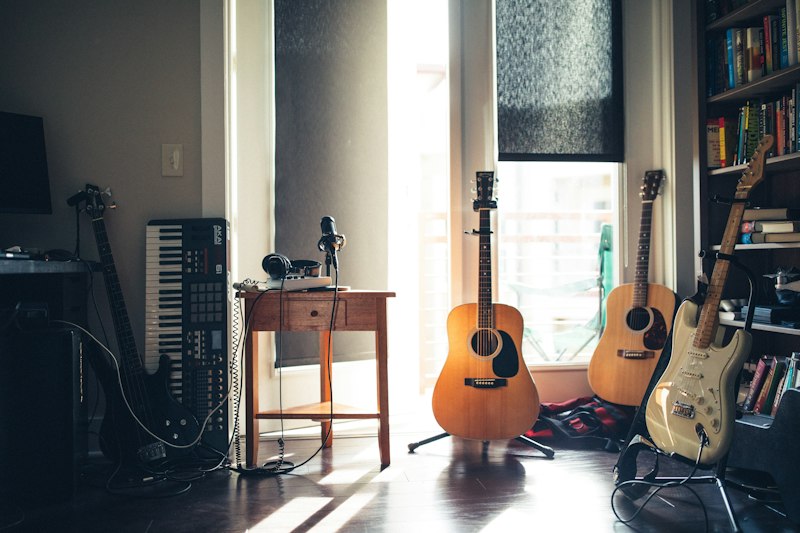
Record your own instruments, vocals, and found sounds to build a personal sample library. Play chords on a guitar, record ambient textures from nature, capture percussion from everyday objects, or sing melodies into your phone. These original recordings give you complete ownership and a sound that no one else has access to. Many top producers supplement their digging with custom-recorded material.
Processing Chains for Character
Develop signature processing chains that give your samples a distinctive flavor. Vinyl simulation plugins add crackle and warmth. Tape emulation introduces subtle saturation and frequency roll-off. Bitcrushing creates lo-fi digital artifacts. Half-speed processing adds weight and darkness. Chain these effects creatively and save your favorite settings as presets for quick recall in future sessions.
Building a Workflow
Develop a systematic sampling workflow that maximizes creativity. Dedicate specific sessions to digging and collecting material. In separate sessions, focus on chopping and arranging. This prevents the common trap of spending hours searching for samples when you should be making beats. Keep your sample folders organized by genre, mood, and tempo so you can find inspiration quickly when the creative urge strikes.