The Evolution of Hip Hop Production: From Sampling to AI
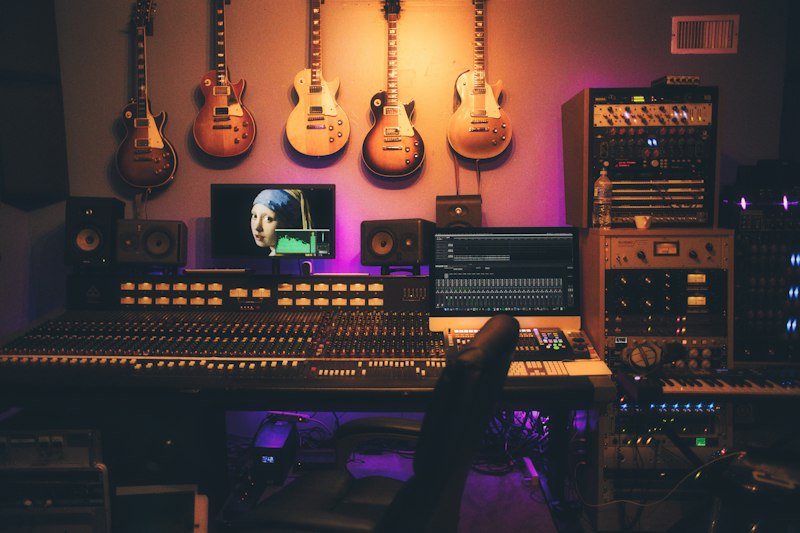
Hip hop production has come a long way since DJ Kool Herc first looped breakbeats in the Bronx. As someone who's been making beats since 1997, I've watched the entire landscape shift from hardware-heavy setups to laptop-based studios and now AI-assisted workflows. Let me walk you through the evolution.
The Sample Era (1970s-1990s)
Hip hop was born from sampling. Producers like DJ Premier, Pete Rock, and J Dilla built entire careers around flipping soul, jazz, and funk records into something completely new. The art was in the selection — knowing which obscure record had a two-bar loop that would change everything.
The tools were physical: turntables, the Akai MPC, the SP-1200. You had to dig through crates of vinyl to find your sounds. There was no Splice, no sample packs, no drag and drop. Every beat was a treasure hunt.
The Digital Revolution (2000s)
FL Studio (originally FruityLoops) and Reason changed everything. Suddenly, a kid in Memphis with a $200 computer could make beats that competed with million-dollar studios. The barrier to entry dropped dramatically.
This era also brought the rise of virtual instruments (VSTs). Instead of sampling a piano, you could play one. Synth-heavy production styles emerged, leading to the sounds of Timbaland, The Neptunes, and Kanye West's later work.
The DAW Wars (2010s)
By the 2010s, the debate wasn't about hardware vs. software — it was about which software. Ableton, Logic Pro, Pro Tools, and FL Studio each developed loyal communities. Producer culture exploded on YouTube, with beat-making tutorials becoming their own genre of content.
This era also saw the rise of the online beat marketplace. Producers could sell beats directly to artists worldwide, cutting out the middleman entirely. Platforms like BeatStars, Airbit, and individual websites (like this one) gave independent producers a global storefront.
The Trap Revolution (2010s-Present)
808s became the backbone of modern hip hop. Metro Boomin, Southside, and Lex Luger created a template that dominated the charts: hard-hitting 808 bass, crisp hi-hats, dark melodies, and minimal arrangements. This sound didn't just influence hip hop — it took over pop, R&B, and even country music.
The AI Question (2020s-Present)
AI tools can now generate melodies, chord progressions, drum patterns, and even full arrangements. This raises real questions for producers: Is using AI-generated content still "producing"? Where's the line between a tool and a replacement?
My take: AI is a tool, just like the MPC was a tool. The creativity still has to come from the human. An AI can generate a melody, but it can't feel the emotion behind a song or understand the culture that makes hip hop what it is. The producers who thrive will be the ones who use AI to enhance their vision, not replace it.
What's Next?
The future of hip hop production is hybrid. Hardware is making a comeback (analog synths, vintage drum machines), while AI and cloud-based collaboration continue to evolve. The one constant? Great beats still need a great ear, a unique perspective, and genuine love for the culture.