The Complete Guide to Lo-Fi Beat Production
# The Complete Guide to Lo-Fi Beat Production
Lo-fi hip hop has exploded from a niche aesthetic into one of the most streamed genres on platforms like Spotify and YouTube. The "lo-fi beats to study to" phenomenon proved there is massive demand for chill, imperfect instrumentals. Here is how to produce authentic lo-fi beats that capture that signature warmth.
The Philosophy of Lo-Fi
Lo-fi is fundamentally about embracing imperfection. While most modern production aims for crystal clarity, lo-fi intentionally degrades audio quality to evoke nostalgia and warmth. Think of it like the difference between a high-definition digital photo and a faded Polaroid. Both have value, but they communicate different emotions.
Drums and Rhythm
Lo-fi drums should feel human and slightly imperfect. Here are the key techniques:
- Use vinyl-crackled or tape-degraded drum samples
- Apply swing (60-70 percent) to your hi-hats and snares
- Slightly offset individual hits from the grid manually
- Layer a vinyl crackle or room tone underneath your drums
- Keep patterns simple (basic boom-bap grooves work best)
- Roll off high frequencies on your drum bus
The snare or clap should have that dusty, muted quality. Avoid crispy, modern-sounding drum samples. Dig through vintage sample packs or process clean drums through tape emulation plugins.
Chord Progressions and Harmony
Lo-fi thrives on jazz-influenced harmony. Seventh chords, ninth chords, and extended voicings create that sophisticated emotional quality:
- Major 7th chords (dreamy, peaceful)
- Minor 7th chords (melancholy, reflective)
- Dominant 9th chords (smooth, jazzy)
- Diminished chords (tension and movement)
Common progressions include ii-V-I variations, circle-of-fifths movements, and chromatic passing chords. Play them on electric piano sounds like the Rhodes or Wurlitzer for authentic lo-fi character.
Sound Selection
The instruments you choose define the lo-fi aesthetic:
- Electric piano (Rhodes Mark I, Wurlitzer 200A)
- Muted guitar (nylon string or jazz guitar with rolled-off highs)
- Warm analog-style bass (sub bass with character)
- Vinyl piano samples
- Flute or saxophone for melodic accents
- Ambient textures and field recordings
The Art of Degradation
This is where lo-fi gets its character. Apply these processing techniques to create that vintage sound:
Bit Crushing and Sample Rate Reduction Reduce the bit depth to 12 or 10 bits and drop the sample rate to emulate older samplers like the SP-1200 or MPC 60. Apply this subtly to individual elements rather than the whole mix.
Tape Saturation Tape emulation plugins add harmonic distortion, gentle compression, and high-frequency roll-off. This glues elements together and adds warmth. Try plugins like Aberrant DSP SketchCassette or RC-20 Retro Color.
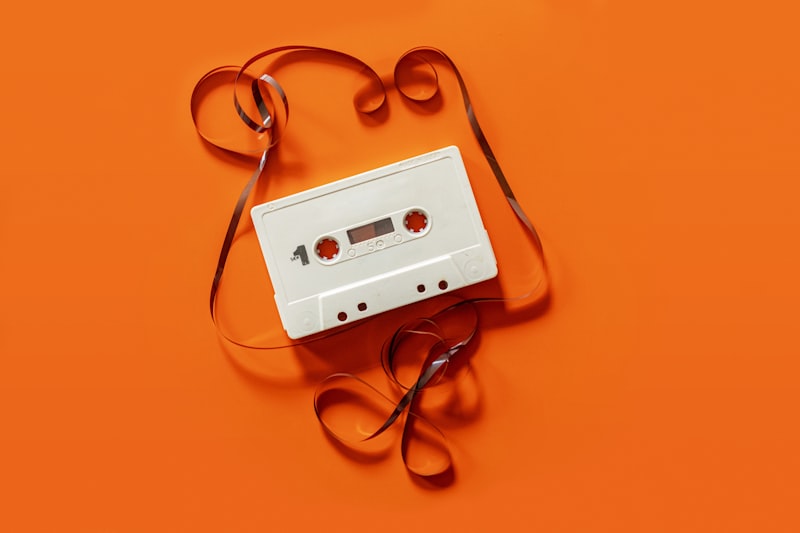
Vinyl Simulation Layer vinyl crackle and surface noise. Apply wow and flutter (pitch modulation) to simulate a record player. Some producers record their beats to actual cassette tape and re-digitize them for authentic degradation.
Filtering Low-pass filter your entire mix gently, rolling off everything above 10-12 kHz. This simulates the frequency response of older playback systems and gives everything that muffled, warm quality.
Sampling Techniques
Many lo-fi producers sample old jazz, soul, and R&B records. If you go this route:
- Chop and rearrange to create something new
- Pitch samples down for that slowed, dreamy effect
- Layer your own drums over sampled chords
- Be aware of copyright (clear samples or use royalty-free sources)
Arrangement and Structure
Lo-fi beats tend to be short and repetitive by design. A typical structure:
- 8-bar intro with filtered elements
- 16-bar main section (verse)
- 8-bar variation (slight change for interest)
- Return to main section
- 8-bar outro with elements dropping out
Total length is usually two to three minutes. The repetitive nature is intentional as it creates a meditative, study-friendly atmosphere.
Mixing Lo-Fi
The mix approach for lo-fi is different from other genres:
- Keep everything relatively mono or narrow (vintage stereo width)
- Use a lot of low-pass and high-pass filtering
- Let elements bleed into each other slightly
- Use room reverb rather than pristine digital reverbs
- Compress gently with analog-modeled compressors
Releasing Lo-Fi Music
Lo-fi has a strong playlist culture on Spotify. Submit your tracks to lo-fi playlist curators. Create consistent releases (one to two tracks per week) to build algorithmic momentum. Consider releasing lo-fi beats as full tracks on streaming platforms in addition to selling them as instrumentals.