Choosing the Right Microphone for Your Home Studio
# Choosing the Right Microphone for Your Home Studio
A microphone is one of the most personal gear choices a producer or recording artist can make. The right mic captures your sound accurately and inspires confidence during recording sessions. The wrong mic fights you at every step, requiring excessive processing to sound acceptable. With hundreds of options at every price point, here is how to make an informed decision for your specific needs.
Understanding Microphone Types
Three main microphone types dominate recording studios. Dynamic microphones are rugged and handle high sound pressure levels, making them ideal for loud sources and live performance. Condenser microphones are sensitive and detailed, capturing nuances that dynamics miss. Ribbon microphones offer warm, vintage character with smooth high-frequency response. For home studios focused on vocal recording, large-diaphragm condensers are the standard starting point.
Large Diaphragm Condensers
Large diaphragm condensers are the workhorses of vocal recording. Their sensitivity captures the full detail of a performance while their proximity effect adds warmth and presence. Popular budget options include the Audio-Technica AT2020, Rode NT1, and AKG P220. Mid-range favorites include the Warm Audio WA-87, Rode NT2-A, and Aston Spirit. Each has a distinct character that suits different voice types and genres.
Dynamic Microphones for Hip-Hop
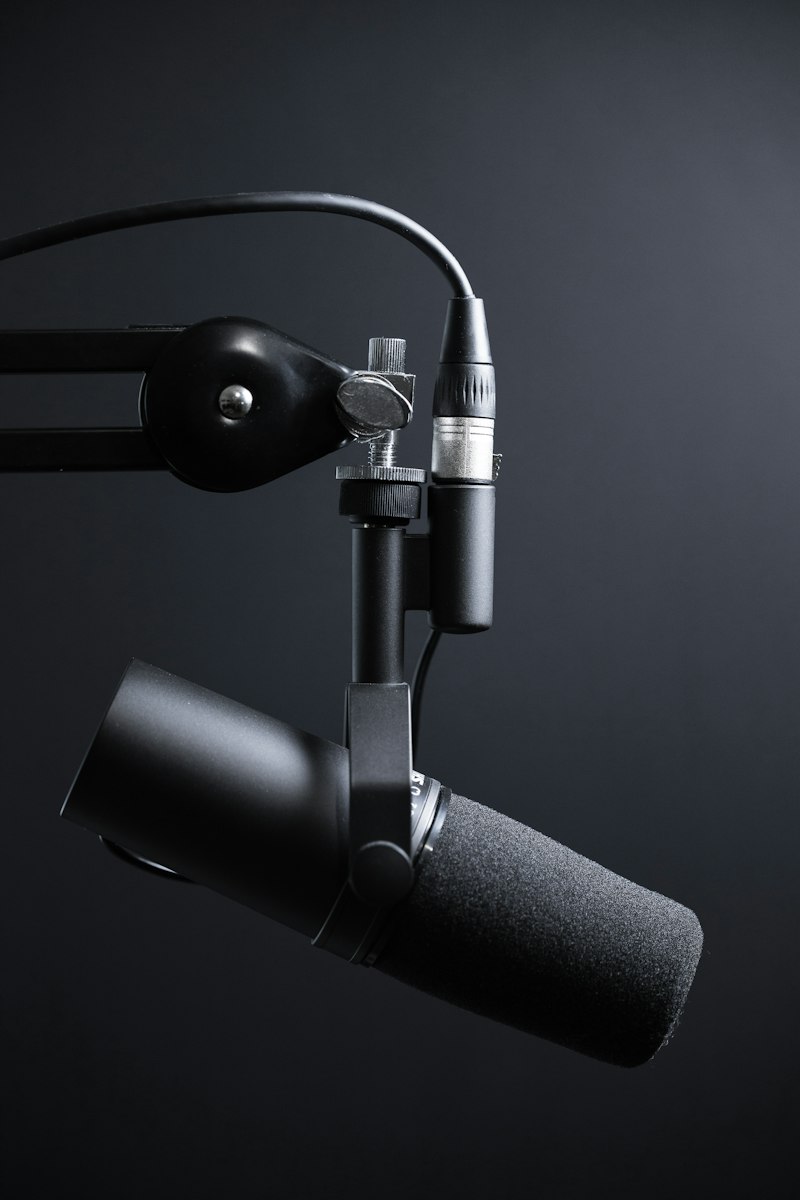
Dynamic microphones have gained massive popularity in hip-hop recording. The Shure SM7B is nearly ubiquitous in rap vocal recording, used by everyone from bedroom artists to Grammy winners. Its natural proximity effect and built-in presence peak complement rap vocals perfectly. The Electro-Voice RE20 and Sennheiser MD 421 are excellent alternatives. Dynamic mics reject room noise better than condensers, making them ideal for untreated spaces.
Polar Patterns Explained
A microphone polar pattern describes which directions it picks up sound from. Cardioid patterns capture sound primarily from the front while rejecting the sides and rear. This is ideal for vocal recording in imperfect rooms. Omnidirectional patterns capture sound equally from all directions, providing natural tone but picking up more room ambiance. Figure-eight patterns capture front and back while rejecting the sides, useful for specific recording techniques.
Matching Mic to Voice
Every voice is unique, and no single microphone works perfectly for everyone. Bright voices might need a darker microphone to avoid harshness. Thin voices benefit from mics with strong proximity effect and presence boosts. Deep voices may need a mic that does not over-emphasize low frequencies. The only way to truly match a mic to a voice is through testing. If possible, try multiple microphones before purchasing.
Preamp Considerations
Your microphone connects to a preamp before reaching your DAW. The preamp amplifies the microphone's weak signal to a usable level. Your audio interface includes built-in preamps, and for most home studios, these are perfectly adequate. If you want to upgrade, standalone preamps like the Focusrite ISA One, Golden Age Project Pre-73, or Warm Audio WA-73 add color and character. Match your preamp choice to your desired sound.
Room Treatment Impact
Your recording environment affects your sound more than your microphone choice. A five-hundred-dollar mic in an untreated room often sounds worse than a one-hundred-dollar mic in a properly treated space. Address reflections, standing waves, and ambient noise before spending money on microphone upgrades. Even budget acoustic treatment panels and strategic furniture placement dramatically improve recording quality.
Recording Technique Fundamentals
Proper recording technique maximizes any microphone's potential. Position the mic six to eight inches from the vocalist for a balanced tone. Use a pop filter to eliminate plosives. An angled approach where the vocalist sings slightly off-axis reduces sibilance. Monitor gain levels to peak around minus twelve dB, leaving headroom for dynamic passages. Consistent positioning between takes ensures phase-coherent doubles and layers.
Budget Recommendations by Price Range
Under one hundred dollars, the Audio-Technica AT2020 and Rode NT1-A offer remarkable quality for the price. Between one hundred and three hundred dollars, the Rode NT1, Aston Origin, and Warm Audio WA-47 Jr compete with mics costing twice as much. Between three hundred and six hundred dollars, the Shure SM7B, Warm Audio WA-87, and Aston Spirit are professional-grade options that will never hold your recordings back.
Long-Term Microphone Strategy
Start with one quality microphone that handles your primary use case well. As your studio grows and income allows, add microphones that complement your first choice. A dynamic mic for aggressive rap vocals plus a condenser for singing gives you versatility. Eventually, a small collection of three to four microphones covers virtually any recording scenario you will encounter in a home studio environment.